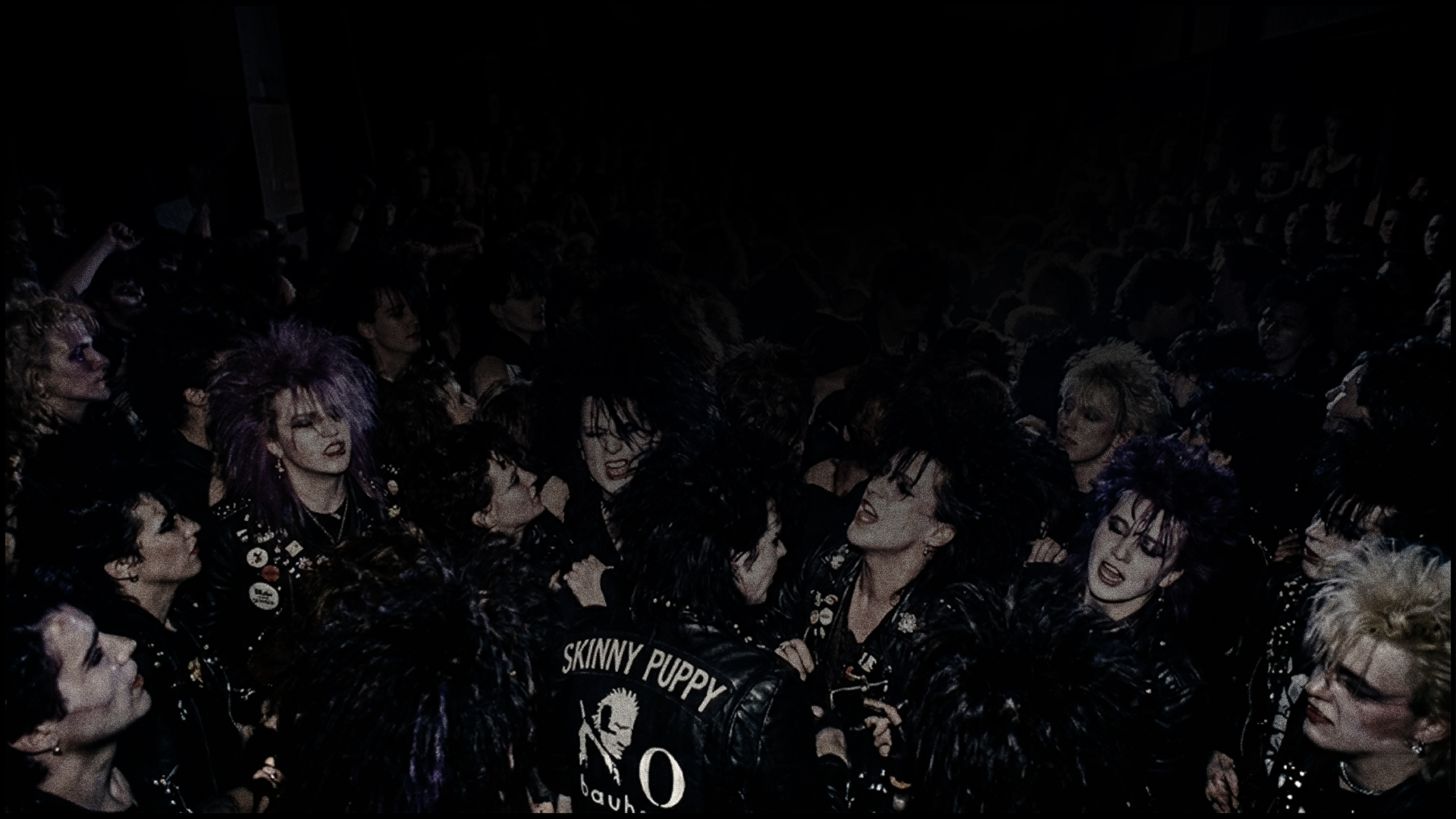
Scene: Toronto Underground — Little Gotham 1986–1996
Little Gotham. The Shadow Circuit.
Little Gotham
Toronto 1986–1996
In the mid-1980s, a specific high-decibel gloom settled over Toronto, earning the city a moniker that would define its subterranean identity for decades: Little Gotham. While the rest of North America drowned in pastel excess, Toronto was building a fortress of black lace, industrial concrete, and synthetic isolation — one of the most concentrated alternative hubs on the planet, rivalling London and Berlin in tribal commitment.
The Moderns of Yonge Street and the Freaks of Queen West ran months ahead of the global curve, moving to post-punk and cold-wave before the genres had names. For The Cure, Sisters of Mercy, Siouxsie, Bauhaus, and Killing Joke, Toronto wasn't just another tour date — it was a homecoming.
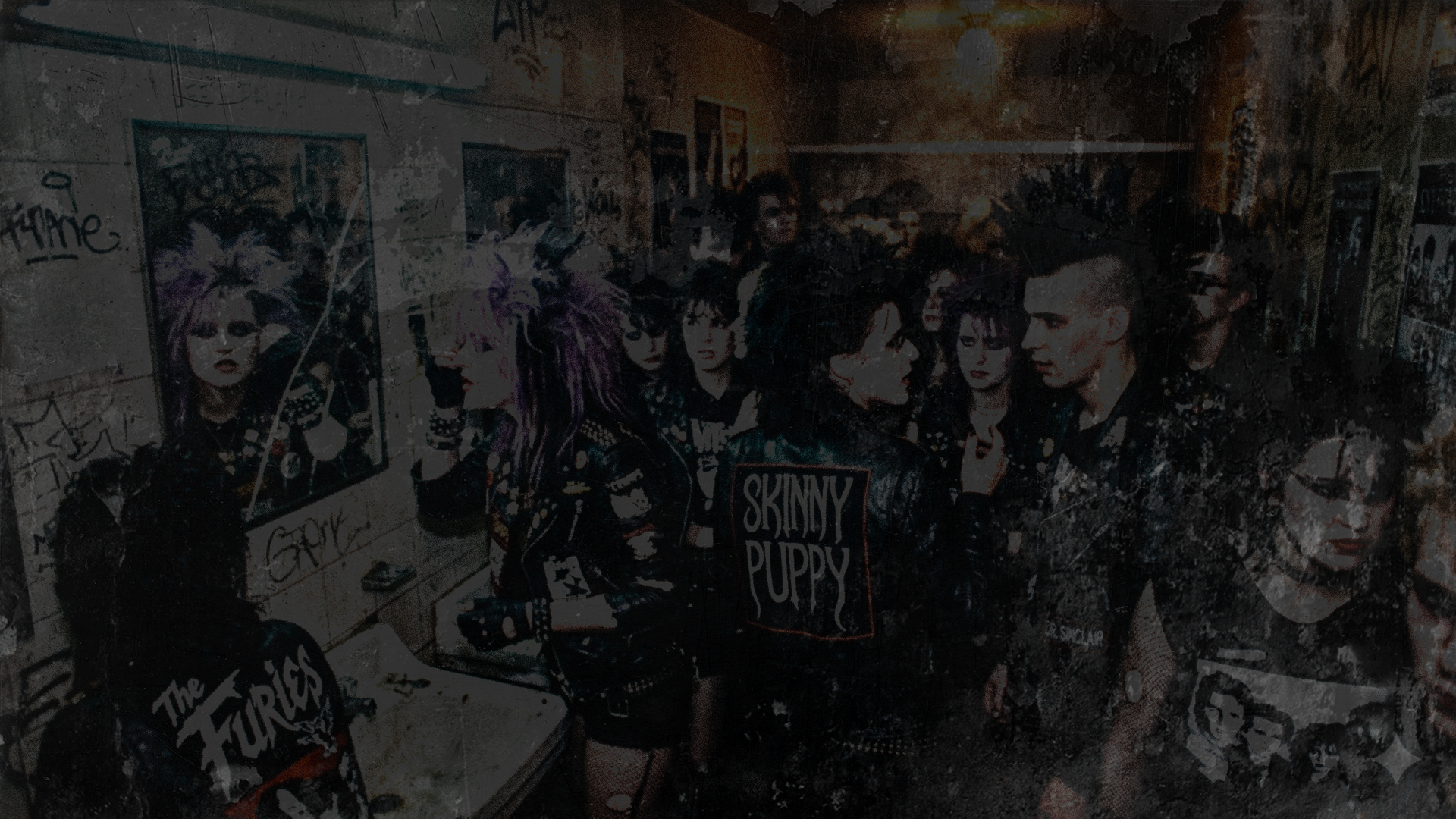
The Audiences Were Discerning, Monochromatic, and Massive.
The Furies Archive — Scene Oral HistoryThe Shadow Circuit
The Venues: The Nocturnal Habitat of The Furies.
Early proto-goth flashpoint. Tuesday-night residencies for the scene's founding DJs.
Home to one of the most advanced sound systems in the city. Sanctuary for the gloom-heavy elite. Backroom treated as avant-garde salon where the mainstream was strictly forbidden.
Mid-sized shadow-circuit anchor. Peak-era slot for The Sisters of Mercy, Siouxsie, Killing Joke, and the Toronto bands that orbited them.
Still open. A coffin-booth institution that outlived the scene it was built for. Weekly goth night since 1993.
Literary-leaning basement. The final Furies show closed here, February 1996.
Three-story gargoyle mansion at Queen and Bathurst. Splintered-wood aesthetic where punk, goth, and industrial acts dominated three levels simultaneously.
Jagged soul of the Queen West scene. Proving ground for the Positive Punk explosion. Same boards as Bauhaus, The Stranglers, Blondie.
Cavern of strobe lights and steel; high-priestess for early-90s EBM. Industrial sanctuary under owner Pat Violo. Regular haunt for visiting industrial royalty.
Junk-art baroque. Opened '91 as the Shadow Circuit transitioned into its most aggressive gear. Magnetic retreat for visiting industrial elite during the Downward Spiral era.
Oil-slicked basement of The Generator. Epicenter for the mechanical industrial-noise movement — dark, claustrophobic bunker.
Short-lived but scene-defining deathrock room above a shuttered newsstand.
Warehouse party series that presaged the modern underground rave circuit.
The Sonic Architects
The DJs who built the nocturnal geometry.
Imported hard-EBM from the "Secret Doctors of Rhythm." Catch 22 resident.
Deathrock and dark-gothic originator. Empire / Klub Domino Tuesday nights, 1987–1991.
Ethereal / coldwave specialist. Weekly residency at Sanctuary.
Hard-industrial counterpart to Die J! Mars. Broke Front 242, KMFDM, Skinny Puppy imports early.
Ethereal / 4AD aesthetic. Rivoli late-night sets.
Post-punk historian. Bridged deathrock with early goth-rock.
Cross-scene connector; CFNY-FM alignment brought underground selections to broadcast.